
Three things we hold to
- 01We follow the Quan ShuCharts and readings are based on the Zi Wei Dou Shu Quan Shu, and every reading line is checked against the original text.
- 02Then and now, kept apartWe say what the classics say, as written. Then, separately, what that tends to mean today.
- 03Stars you can rememberThe fourteen main stars plus the Empty Palace make 15 personas, each with a modern role, such as The Emperor for Zi Wei. The persona helps you remember; the star keeps its classical meaning.
One line, read two ways
From the Xingge reading library: Qi Sha in the Parents Palace.

How we read a chart
The classical language can be harsh. We don't hide those lines, and we don't hand them to you as verdicts either.
We explain why the old texts read a placement that way, then how it is more likely to show up in your life now, and what you can do with it.
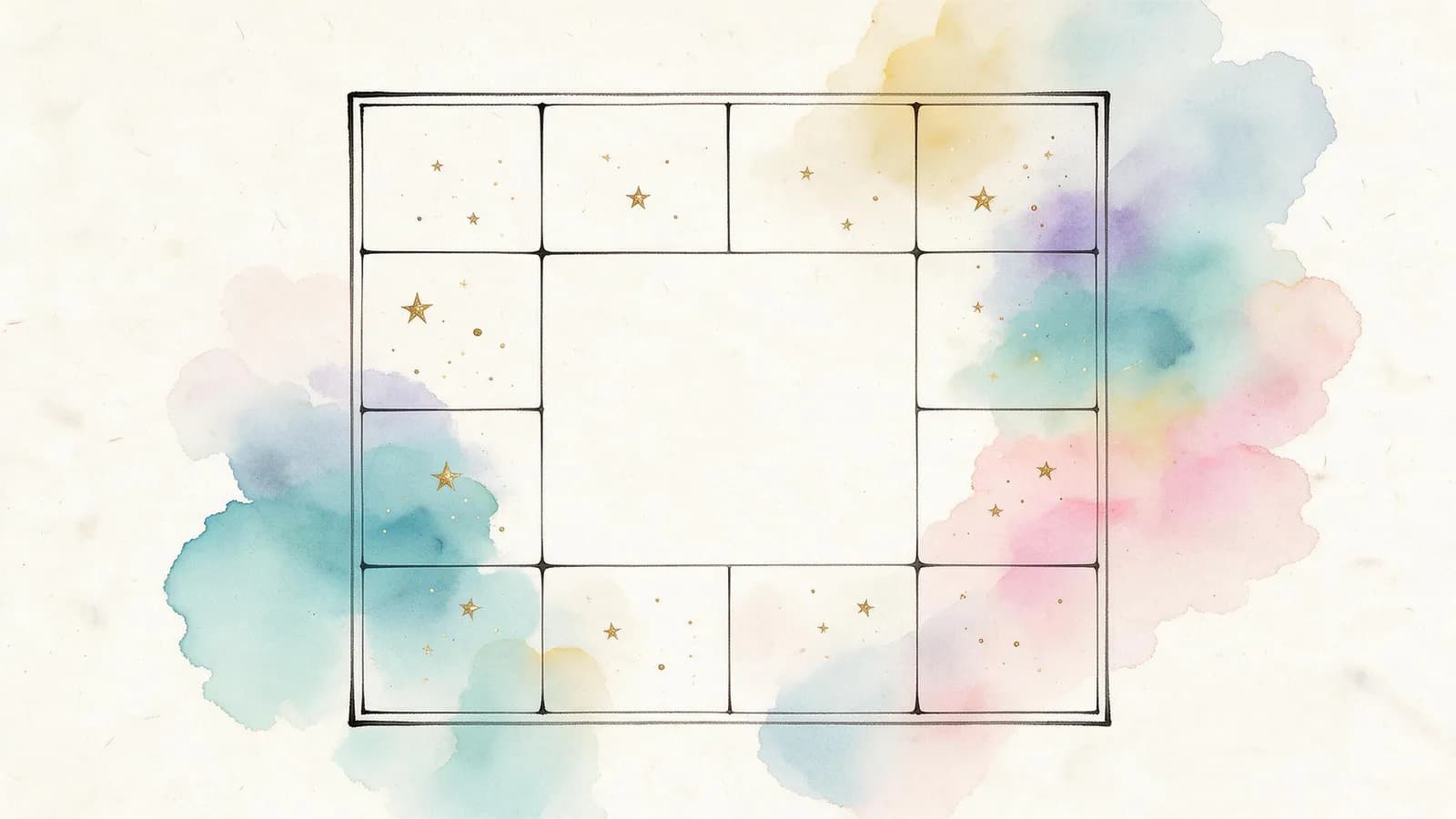
Once your chart is drawn, you can read your personality, your luck from today to this year, all twelve palaces, or just ask a question.
How Xingge draws a chart ›What we don't do
- Predict death
- Diagnose illness
- Give investment advice
- Sell through fear
A chart shows tendencies. The choices are yours.
For people everywhere
Many people were born far from where Zi Wei Dou Shu began, or read it in another language. Wherever you were born and whichever language you read, you should be able to understand your own chart.
- Birth time converted to local time, with daylight saving removed
- True solar time if you want it
- English, Japanese, Traditional Chinese and Simplified Chinese

Who makes Xingge
We are a small team with backgrounds in linguistics, computer science and psychology.
Xingge is run by Intellizab LLC, a Wyoming company. Questions and suggestions are welcome at support@intellizab.com.
Draw your chart and see in 10 seconds what the classics say about you, and how to read it today.
Draw your free chart ›